Understanding how an Aluminum Foundry maintains durability standards
Wiki Article
The Future of Light Weight Aluminum Foundries: Trends and Advancements Forming the Sector
The light weight aluminum factory market is undertaking significant improvement. Secret trends highlight the significance of sustainability and efficiency. Innovations in wise manufacturing and automation are coming to be widespread. Shops are significantly concentrated on making use of recycled materials. This change questions concerning future techniques and modern technologies. Just how will these changes effect manufacturing techniques and market dynamics? The responses might redefine the industry landscape in unforeseen methods.Improvements in Smart Production Technologies
As the aluminum foundry sector progresses, innovations in wise production innovations are ending up being significantly crucial for enhancing performance and efficiency. The combination of automation, man-made intelligence, and the Internet of Things (IoT) is changing traditional factory operations. These technologies enable real-time surveillance of processes, permitting prompt modifications that maximize output and decrease waste.Furthermore, equipment knowing algorithms analyze production data to identify patterns and forecast maintenance requirements, lessening downtime. Robotics are increasingly used for repetitive jobs, freeing skilled employees to concentrate on even more intricate challenges. In addition, digital doubles-- virtual models of physical procedures-- help with simulations that can boost design and operational techniques.
The fostering of these smart production technologies is driving affordable benefits in the light weight aluminum factory field. By enhancing workflows and improving decision-making capabilities, shops can fulfill expanding market needs while preserving top notch standards. The future of light weight aluminum shops is undoubtedly connected to these technological developments.
Embracing Eco-Friendly Materials and Processes
The light weight aluminum factory industry is increasingly focusing on eco-friendly products and procedures to boost sustainability. This change includes the fostering of sustainable product sourcing, energy-efficient manufacturing strategies, and reliable recycling and waste monitoring methods. By integrating these techniques, shops intend to lower their ecological effect while keeping competitiveness in the marketplace.Sustainable Material Sourcing
How can aluminum factories improve their sustainability initiatives? Lasting product sourcing has become a crucial strategy in attaining this goal. By focusing on recycled aluminum, foundries can considerably lower their environmental impact, as recycled materials need much less power and fewer resources contrasted to main aluminum manufacturing. Furthermore, sourcing materials from licensed distributors that stick to green techniques promotes accountable mining and minimizes eco-friendly effect. Foundries are likewise checking out alternative materials, such as biopolymers and environmentally friendly coverings, to match typical aluminum procedures. Teaming up with stakeholders, consisting of suppliers and ecological organizations, promotes advancement in sourcing approaches. Inevitably, accepting sustainable product sourcing not just aligns with worldwide sustainability goals but additionally placements light weight aluminum foundries as leaders in ecologically responsible production.Energy-Efficient Production Techniques
Aluminum foundries are progressively adopting energy-efficient production methods to complement their sustainable material sourcing initiatives. These techniques concentrate on reducing power consumption throughout the manufacturing process. Advanced technologies, such as induction melting and maximized casting procedures, are being implemented to reduce the total carbon impact. Additionally, automation and wise manufacturing systems improve functional performance, permitting far better power monitoring. Foundries are likewise checking out the integration of eco-friendly power resources, such as solar and wind, to power their operations. By focusing on power efficiency, aluminum factories not only reduced manufacturing costs but also straighten themselves with international sustainability goals, making sure a more environmentally accountable method to aluminum manufacturing while meeting the climbing need for environment-friendly techniques in the market.Reusing and Waste Monitoring
Accepting environmentally friendly materials and procedures, aluminum factories are prioritizing recycling and waste management strategies to improve sustainability in their operations. By integrating closed-loop systems, these centers are lessening waste and making best use of source efficiency. Scrap light weight aluminum, a conveniently offered product, is being reused on-site, greatly lowering the requirement for virgin products and reducing power intake. Advancements in sorting and refining modern technologies even more assist in the recycling of aluminum, making certain that even infected products can be repurposed properly. In addition, factories are embracing lasting techniques such as lowering contaminated materials and promoting the use of naturally degradable materials for packaging. This dedication to reusing not only lowers ecological influence but also improves the financial stability of aluminum shops in a competitive market.The Function of Automation and Robotics
Automation and robotics are significantly transforming the aluminum shop market, significantly improving manufacturing efficiency. By integrating advanced modern technologies, factories can decrease labor prices while at the same time enhancing safety standards for their labor force. This change not just simplifies operations however also places the sector for lasting development in a competitive market.Enhanced Manufacturing Effectiveness
Revolutionizing manufacturing procedures, the assimilation of innovative robotics and automation modern technologies has come to be a cornerstone for aluminum shops seeking enhanced performance. These developments streamline workflows, reduce cycle times, and enhance item quality by minimizing human mistake. Automated systems can keep an eye on production lines in real-time, enabling prompt changes that enhance result. Aluminum Foundry Furthermore, robotics help with the handling of harmful materials, making sure safer workplace while increasing throughput. Anticipating maintenance innovations also add to effectiveness by expecting devices failings, thus reducing downtime. Because of this, aluminum shops can achieve greater consistency in their items while responding more promptly to market needs. This welcome of automation is setting a new requirement for performance and functional excellence within the industry.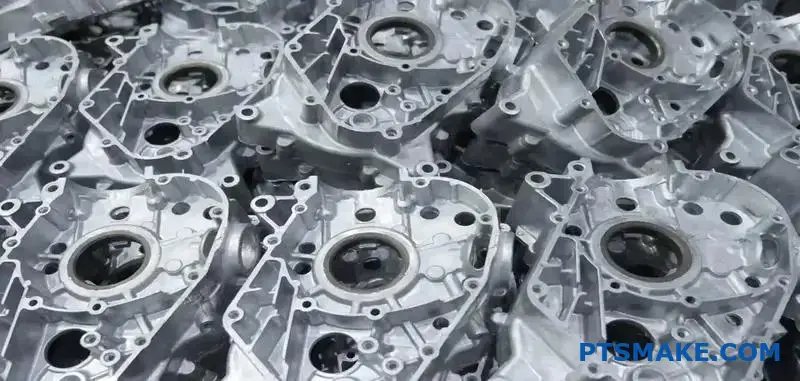
Decreasing Labor Prices
The shift towards advanced robotics and automation in light weight aluminum foundries not only boosts production performance yet also plays a considerable function in lowering labor costs. By incorporating automated systems, foundries can lessen the dependence on manual work, which frequently involves high wages and training expenditures. Robotics improve recurring tasks such as pouring, molding, and ending up, enabling a greater result with fewer employees. This technical modification not just reduces labor-related expenses however likewise enhances uniformity and top quality in manufacturing. Automation can operate around the clock, making best use of functional hours without the linked prices of overtime or shift differentials. As a result, aluminum factories can achieve significant cost savings while keeping affordable pricing in a developing market landscape.Improving Safety And Security Criteria
While conventional light weight aluminum shop procedures typically subject employees to hazardous atmospheres, the integration of robotics and automation greatly boosts safety requirements within the market. Automated systems can execute high-risk tasks, such as liquified steel handling and hefty lifting, lowering human direct exposure to harmful problems. Furthermore, robotics can operate in severe temperatures and poisonous environments, properly reducing the threat of injury. Advanced monitoring technologies and synthetic intelligence assurance real-time safety and security assessments, permitting instant reactions to prospective threats. Automation simplifies operations, minimizing the chance of crashes created by human mistake. As a result, the fostering of these innovations not just enhances safety but additionally fosters a more effective and effective workplace in aluminum shops.Enhancing Energy Effectiveness in Manufacturing
As light weight aluminum shops look for to keep competitiveness in an evolving market, improving energy efficiency in production has arised as an important emphasis. By adopting innovative technologies such as high-efficiency melting heating systems and automated temperature level controls, shops can especially lower energy usage. Carrying out real-time monitoring systems permits specific monitoring of energy use throughout the production procedure, allowing quick adjustments to optimize performance.In addition, moving to alternative power sources, consisting of sustainable options, can further lower the carbon impact. The integration of energy recovery systems, which redeem waste heat for reuse, is coming to be progressively usual. Training employees in energy management practices assures that every person included in the manufacturing process bears in mind energy use.
These initiatives not only reduced operational prices yet additionally line up with global sustainability objectives, positioning light weight aluminum shops as liable players in the market while boosting their general competitiveness. - Aluminum Foundry
Developments in Recycling Light Weight Aluminum
Technologies in recycling light weight aluminum have actually acquired momentum together with initiatives to boost power efficiency in production. The aluminum sector has actually embraced advanced innovations that simplify the reusing procedure, decreasing power consumption and environmental impact. Techniques such as hydrometallurgy and new sorting innovations improve the removal of aluminum from scrap, improving return prices and guaranteeing higher quality recycled material.
The advancement of closed-loop recycling systems enables factories to reuse aluminum without considerable deterioration in top quality, making the procedure extra lasting. Advancements in logistics and collection, consisting of enhanced monitoring systems and automated sorting, have actually additionally played a necessary duty in increasing the efficiency of aluminum recovery. These developments not just add to a round economic situation however likewise assist minimize the carbon impact associated with aluminum production. As the demand for lasting techniques expands, these technologies position the light weight aluminum foundry sector as a leader in liable resource monitoring.
Replying To Market Demands and Customer Trends
Flexibility has actually come to be a foundation for light weight aluminum shops reacting to progressing market needs and consumer fads. As markets increasingly prioritize sustainability, light weight aluminum foundries are changing in the direction of environment-friendly practices, consisting of enhanced recycling processes and reduced carbon impacts. This shift straightens with customer preferences for eco liable products, driving foundries to introduce their offerings.Furthermore, the rise of light-weight products in aerospace and auto fields requires innovations in light weight aluminum alloys and casting methods. Factories are spending in r & d to create high-strength, light-weight elements that fulfill strict efficiency criteria.
Moreover, modification has gotten grip, with consumers seeking customized remedies. Aluminum factories are leveraging innovative manufacturing innovations, such as 3D printing, to suit particular customer requirements successfully. This responsiveness not only satisfies consumer needs but likewise settings light weight aluminum foundries competitively in a dynamic market landscape, guaranteeing their importance in an ever-changing industrial setting.

Frequently Asked Questions
Exactly How Do Light Weight Aluminum Foundries Influence Local Economies?
Aluminum factories significantly impact neighborhood economic situations by producing tasks, stimulating need for regional suppliers, and adding to neighborhood advancement. Their operations frequently cause boosted tax incomes, which can fund important civil services and infrastructure improvements.What Are the Safety And Security Rules for Light Weight Aluminum Shop Employees?
Safety regulations for light weight aluminum shop employees consist of required individual safety tools, appropriate air flow systems, normal training on dangerous materials, and adherence to guidelines set by occupational health and wellness and safety and security administrations to minimize threats and assurance worker security. - Precision aluminum castingExactly How Does Aluminum Recycling Affect Global Supply Chains?
Light weight aluminum recycling substantially minimizes demand for resources, boosts resource effectiveness, and supports rates. This shift effects international supply chains by fostering a circular economic climate, advertising sustainability, and ensuring a more resistant industry in rising and fall markets.What Profession Opportunities Exist in the Light Weight Aluminum Foundry Sector?
Various job chances exist in the light weight aluminum foundry sector, consisting of functions in design, quality assurance, manufacturing administration, and research study and growth. Proficient labor positions such as mold manufacturers and equipment drivers are additionally popular.Just How Do International Profession Plans Impact Light Weight Aluminum Foundries?
International profession policies considerably affect light weight aluminum shops by influencing import tariffs, supply chain dynamics, and market accessibility. These factors can influence functional prices, competition, and overall success within the worldwide light weight aluminum production landscape.By prioritizing recycled aluminum, factories can greatly decrease their environmental footprint, as recycled products call for much less energy and fewer sources contrasted to main light weight aluminum production. Light weight aluminum factories are progressively embracing energy-efficient production strategies to enhance their lasting product sourcing campaigns. Automation and robotics are significantly changing the light weight aluminum shop sector, significantly improving manufacturing effectiveness. The shift towards advanced robotics and automation in aluminum foundries not only enhances manufacturing performance yet additionally plays a substantial duty in reducing labor costs. As aluminum shops look for to preserve competitiveness in a progressing market, improving energy effectiveness in production has arised as a critical emphasis.
Report this wiki page